South America’s Mobile Concrete Batching Plant Market: Local Production vs. Imports
- Apr 29, 2025
- 3 min read
South America's construction industry is on the move — and mobile concrete batching plants are playing a starring role. From the Andes to the Atlantic, infrastructure growth has unlocked new opportunities, with on-site concrete production becoming a critical factor for efficiency, cost control, and project speed. But as demand soars, a vital question looms: should builders opt for locally produced mobile concrete batching plants or lean on imports? The market is at a crossroads, shaped by regional capacities, trade dynamics, and performance expectations.
Evolving Demand and Regional Priorities
Urbanization, Mega Projects, and Terrain Challenges
Cities like São Paulo, Buenos Aires, and Bogotá are expanding fast. Meanwhile, rural infrastructure projects — from highways through Amazonian zones to border-bridging rail lines — demand adaptability. That’s where mobile concrete batching plants shine. Their agility allows production to follow the project, not the other way around.
Local contractors want more than just concrete. They want control, timeliness, and reliability — in dense cityscapes and remote, rugged zones alike. This surge in need is pushing both domestic and foreign suppliers to compete for relevance across these diverse terrains.

Local Manufacturing: Strength in Customization
Tailored Designs and Regional Familiarity
Locally produced mobile batching plants bring one crucial advantage to the table: customization. South American manufacturers, particularly in Brazil and Argentina, have begun designing concrete batch plant for sale specifically suited for the region’s climatic extremes, logistical constraints, and regulatory nuances.
Need a batch plant that can function reliably at 3,500 meters in the Andes? Local manufacturers have been there. Want something that navigates municipal noise regulations in Chile or Uruguay? They’re ready with insulated, low-decibel options. This hyper-local engineering not only reduces costly retrofitting but also builds long-term relationships between producers and clients.
Job Creation and Economic Resilience
Choosing local means feeding the domestic economy. In nations wrestling with trade imbalances, investing in homegrown equipment bolsters employment, technical development, and industrial stability. Some government procurement programs now offer incentives for selecting national products — a subtle but powerful nudge toward regional manufacturing.
However, local plants aren’t always cheaper. The raw materials, imported electronic systems, and smaller-scale production can inflate costs. Still, for many buyers, the value of on-demand service, faster part replacement, and face-to-face support often outweighs the price differential.
Imported Plants: Precision and Prestige
Advanced Automation and Global Reputation
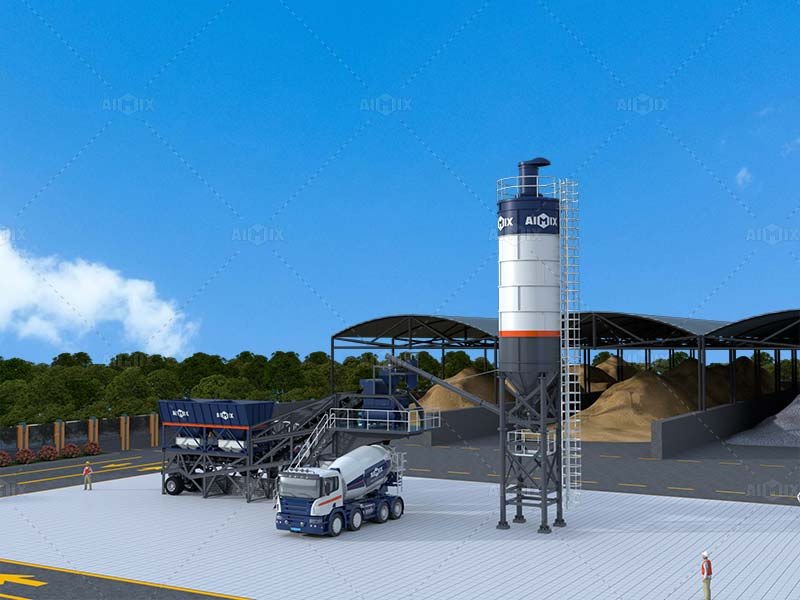
Imported mobile batching plants — particularly from Europe and Asia — still command attention. Brands from Germany, Italy, and China offer cutting-edge automation, modular frameworks, and plug-and-play systems. Their long-standing reputations for durability and consistency give international models an edge in prestige-heavy, high-budget projects.
These plants are precision machines. Their software systems handle moisture calibration, production tracking, and even remote diagnostics with surgical accuracy. For large-scale infrastructure projects backed by international financiers, such sophistication isn’t just a perk — it’s often a requirement.
Trade-Offs in Price and Support
But imports come with a trade-off. Delivery timelines stretch across weeks, sometimes months. Import duties, currency fluctuations, and freight charges often stack on top of already premium base prices. Once installed, service can be delayed by parts availability or the lack of nearby certified technicians.
For companies working in fast-paced environments — such as Colombia’s evolving highway networks or Paraguay’s booming dam construction scene — waiting isn’t always an option. A temporary halt in production due to a faulty sensor can spiral into missed deadlines and contractual penalties.
The Hybrid Trend: Assembly Partnerships and Localization
The mobile concrete batching plant market in South America is showing signs of hybridization. Some importers now partner with regional firms for local assembly and customization. This small concrete batch plant model blends global technology with regional responsiveness — a win-win approach that mitigates the downsides of both extremes.
Buyers now have the luxury of nuanced decision-making. Do they prioritize uptime and maintenance proximity? Or do they chase precision and automation at a higher entry cost? The answer varies depending on the project’s location, duration, and budget structure.
South America's mobile concrete batching plant landscape is no longer a binary choice. It’s an ecosystem of interwoven capabilities, where local and global forces both pull weight. For those navigating it wisely, the outcome is concrete — both literally and economically.
Comments